A Comprehensive Guide to the Benefits of Using Aluminum From Foundries
Aluminum from foundries offers a variety of benefits that make it an important product across numerous sectors. Its light-weight nature adds to cost savings in transportation and boosts general product performance. Furthermore, aluminum's impressive resistance to deterioration warranties durability and minimizes upkeep requirements. The advantages prolong past these facets. Understanding the complete spectrum of aluminum's homes and their effects can expose also much deeper insights into its function in modern applications
Recognizing Foundry-Grade Aluminum
Foundry-grade aluminum is a specific product renowned for its extraordinary residential properties and convenience in various applications. This sort of aluminum is commonly generated through controlled spreading processes, allowing for accurate control over its composition and microstructure. Therefore, foundry-grade aluminum displays exceptional mechanical buildings, including exceptional stamina and rust resistance, making it suitable for demanding environments.
Along with its structural integrity, foundry-grade aluminum can be conveniently molded into complex forms, supplying designers and designers with adaptability in their tasks. Its ability to endure high temperatures better boosts its allure for sectors such as automotive and aerospace, where efficiency and dependability are important. Foundry-grade aluminum is typically recyclable, contributing to sustainability efforts. By using this product, producers can accomplish an equilibrium of performance, durability, and ecological responsibility, making foundry-grade aluminum a preferred choice for a vast array of industrial applications.
Light-weight Characteristics and Their Advantages
The light-weight homes of aluminum from foundries provide significant benefits in numerous applications. Minimized transportation costs can be accomplished as a result of the reduced weight, permitting a lot more efficient logistics. Furthermore, the enhanced product efficiency originated from utilizing lighter products can bring about improved capability and individual experience.
Decreased Transport Costs
Aluminum's light-weight residential or commercial properties substantially add to lowered transport prices, making it an eye-catching option for various industries. When compared to larger products such as steel, aluminum enables for lighter lots, making it possible for cars to transport more products successfully. This reduction in weight can result in considerable financial savings on gas usage, as lighter cars require much less power to run. In addition, the capability to deliver bigger amounts without surpassing weight restrictions boosts logistical efficiency. Industries such as aerospace and auto benefit especially from these benefits, as they can maximize shipping processes and minimize general operational costs. Making use of aluminum from foundries not only improves transport however additionally supports sustainable practices by minimizing carbon discharges linked with hefty products transport.
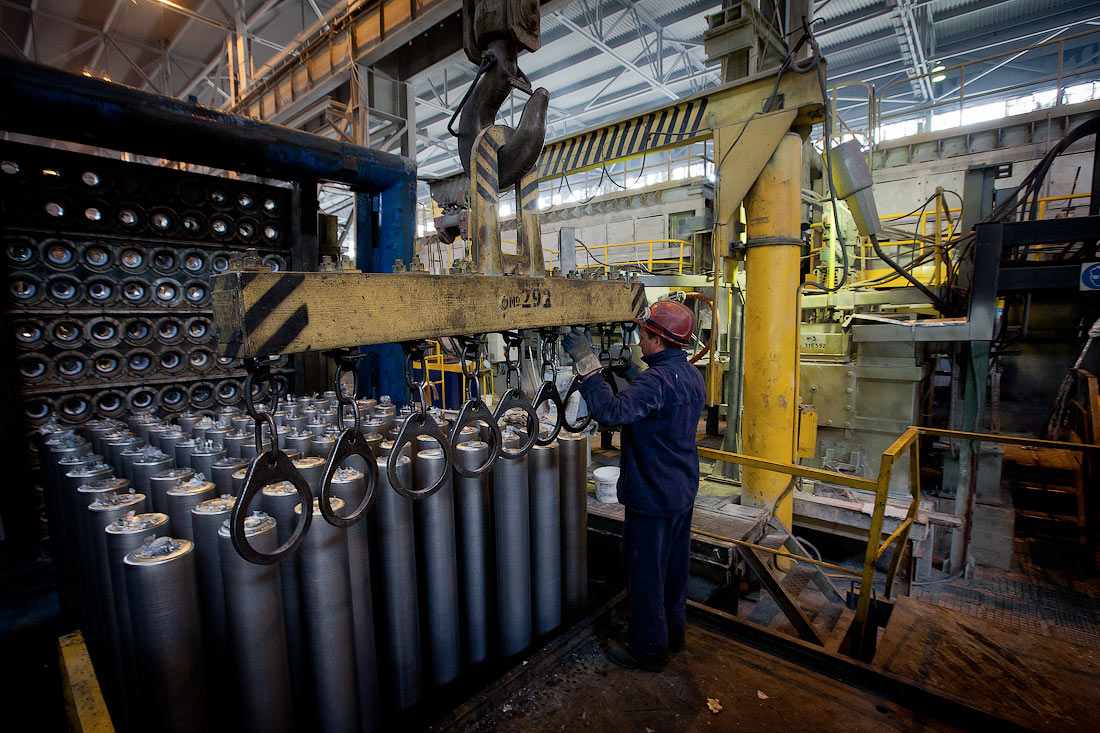
Enhanced Product Efficiency
Corrosion Resistance: A Key Benefit
Aluminum from foundries uses remarkable corrosion resistance, mainly because of its natural oxide layer. This protective layer types when aluminum is subjected to air, protecting against additional oxidation and deterioration. Because of this, items made from aluminum can show long-lasting sturdiness, making them optimal for numerous applications in tough atmospheres.
All-natural Oxide Layer
The natural oxide layer that creates on aluminum surfaces functions as an important defense against rust. This slim, clear barrier creates when aluminum is exposed to oxygen, properly protecting the underlying steel from various environmental elements. The oxide layer is both secure and sturdy, making sure that aluminum retains its integrity over time. Unlike other steels that may rust a lot more quickly, aluminum's oxide layer prevents the formation of rust and various other harmful substances. This particular is particularly beneficial in markets where materials are revealed to wetness or rough chemicals. The visibility of the natural oxide layer contributes substantially to the long life and dependability of aluminum items, making it a favored option in many applications.
Durable Longevity
While several materials catch the ravages of time and ecological direct exposure, the lasting resilience of aluminum attracts attention, mainly because of its exceptional rust resistance. This resistance is credited to an all-natural oxide layer that bases on its surface, effectively shielding the steel from dampness, chemicals, and various other harsh agents. Unlike steel, which can corrosion and degrade gradually, aluminum continues to be undamaged, making it suitable for numerous applications, consisting of building, automobile, and aquatic markets. Its light-weight nature, integrated with resilience, permits for lowered upkeep expenses and longer life-spans in products. Consequently, aluminum from foundries offers a sustainable choice that decreases replacement frequency, adding to both financial efficiency and ecological responsibility. This resilience enhances its charm in numerous applications.
The Recyclability of Aluminum
Offered its substantial use across numerous industries, the recyclability of aluminum offers a significant environmental advantage. Aluminum can be recycled indefinitely without shedding its properties, making it a prime prospect for lasting practices. The recycling process calls for just a portion of the power required to generate new aluminum from raw materials, decreasing greenhouse gas emissions and conserving natural deposits. Additionally, the recycling of aluminum draws away waste from garbage dumps, adding to a lot more reliable waste administration systems.
Cost-Effectiveness in Numerous Applications
Various markets identify aluminum's cost-effectiveness, making it a recommended option for numerous applications. Its lightweight nature decreases transport prices and power intake, considerably adding to general savings. In manufacturing, aluminum's malleability allows for effective shaping and creating, reducing waste during manufacturing.
Moreover, aluminum's durability warranties longevity, which minimizes the demand for constant substitutes and maintenance. The material's corrosion resistance likewise translates into lower long-term costs, as it calls for much less protective covering and care contrasted to other steels.
Sustainability and Ecological Influence
Aluminum's cost-effectiveness is complemented by its sustainability and favorable environmental influence. The steel is extremely recyclable, with approximately 75% of all aluminum produced still in operation today. This recyclability substantially reduces the requirement for raw material extraction, decreasing energy intake and linked greenhouse gas exhausts. Foundries play a vital duty in the reusing process, utilizing sophisticated technologies to repurpose scrap aluminum effectively.
In addition, aluminum manufacturing from recycled material eats just around 5% of the power required for main aluminum manufacturing. This substantial power savings converts to decrease carbon impacts, lining up with worldwide sustainability objectives. Furthermore, aluminum's lightweight nature enhances fuel performance in transportation applications, even more adding to lowered discharges throughout its lifecycle. As sectors progressively prioritize sustainable practices, aluminum from foundries becomes a positive option, advertising environmental stewardship while sustaining financial growth.
Often Asked Inquiries
What Are the Usual Applications of Foundry-Grade Aluminum?
Usual applications of foundry-grade aluminum consist of auto elements, aerospace components, machinery, building products, and consumer products. Its light-weight nature, deterioration resistance, and superb mechanical homes make it appropriate for varied industries and manufacturing procedures.
How Is Foundry-Grade Aluminum Produced?
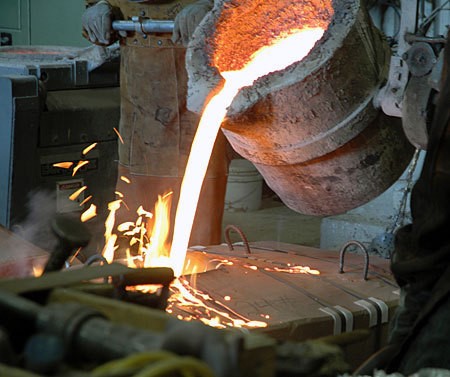
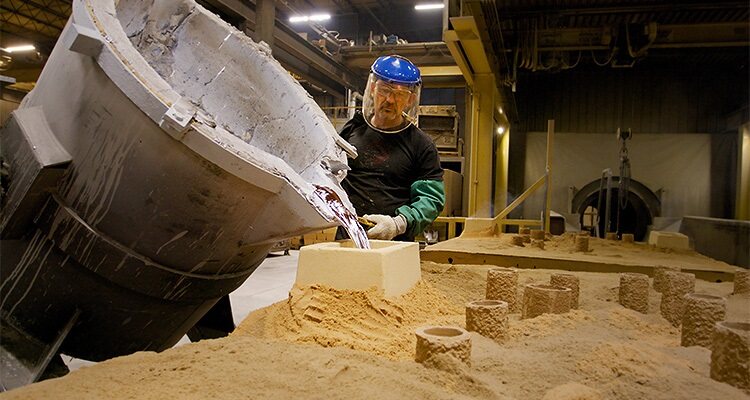
Foundry-grade aluminum is created through melting aluminum scrap or ingots, adhered to by alloying with website various other metals. The liquified aluminum is after that cast into molds, allowing it to strengthen right into different shapes for diverse applications.
What Are the Safety And Security Considerations When Dealing With Aluminum?
Security factors to consider when functioning with aluminum include appropriate air flow to avoid breathing in dust, use personal safety tools to stop skin call, and awareness of fire hazards connected with liquified aluminum during processing and casting.
Just How Does Foundry-Grade Aluminum Compare to Other Steels?
Foundry-grade aluminum provides a premium strength-to-weight proportion compared to many steels, alongside outstanding rust resistance and thermal conductivity. Its versatility and capability to be quickly formed make it a preferred option in different applications.
What Maintenance Is Needed for Aluminum Products?
Aluminum items require marginal maintenance, mostly involving routine cleaning to avoid oxidation and dirt accumulation (Wisconsin Aluminum Foundry). Safety coatings might enhance sturdiness, while regular assessments can assure architectural honesty and resolve any type of wear or damage promptly
Foundry-grade aluminum is a customized material renowned for its remarkable buildings and convenience in numerous applications. Leveraging light-weight residential properties, aluminum improves product efficiency across different applications. Unlike steel, which can rust and break down over time, aluminum continues to be intact, making it ideal for different applications, including building, vehicle, and marine markets. Aluminum manufacturing from recycled material consumes only about 5% of the energy required for key aluminum production. Foundry-grade aluminum is generated through melting aluminum scrap or ingots, followed by alloying with other metals.